
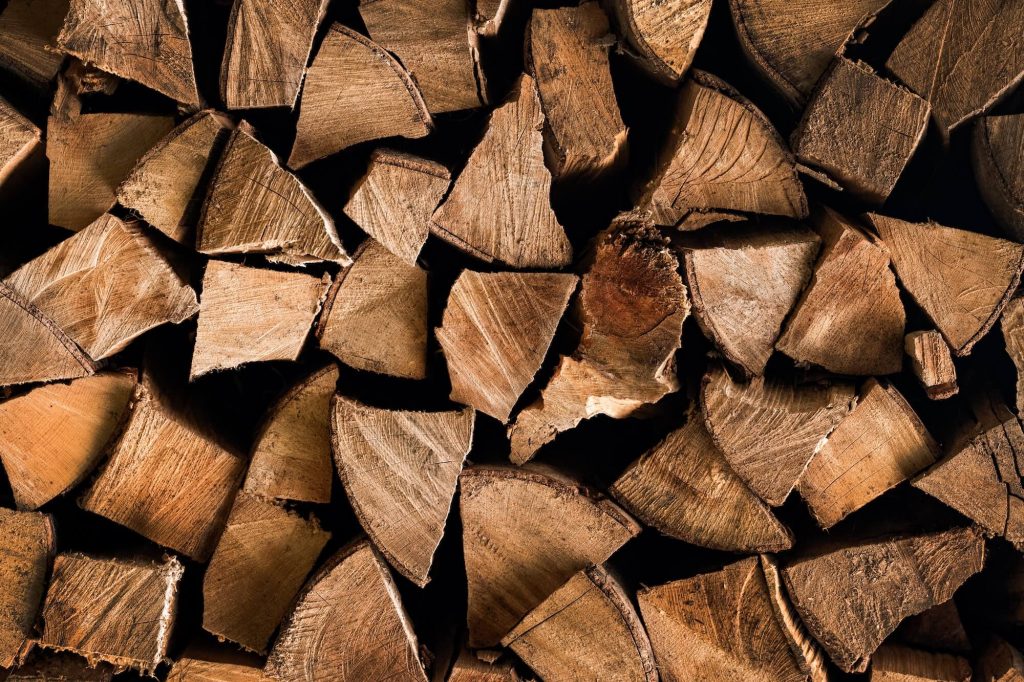
If you use a log burner, open fire, chiminea, pizza oven, or fire pit, the quality of the firewood you burn has a huge impact on how much heat you get, how cleanly your fire burns, and how enjoyable the whole experience is. One of the most common questions we hear at JD Logs is whether kiln-dried logs are really that different from seasoned logs. After all, both are classed as “dry” firewood, so surely the performance must be similar?
In reality, while both kiln-dried and seasoned logs can be suitable for burning, there are some important differences between them. These differences affect heat output, smoke levels, ease of lighting, consistency, storage, and long-term value for money. Understanding how each type of firewood is prepared and how it behaves on the fire will help you make the right choice for your home and lifestyle.
In this guide, we’ll explain exactly what kiln-dried and seasoned logs are, how they differ, and which option is best for different types of users.
Kiln-dried logs are firewood that has been dried in a specialist kiln to reduce the moisture content to below 20%. This is the ideal level for efficient burning and is the legal requirement in the UK for small-volume firewood sales under the Ready to Burn scheme.
The kiln-drying process uses controlled heat and airflow to remove moisture from the wood quickly and consistently. Unlike natural air drying, which depends heavily on weather conditions, kiln drying is precise and predictable. Every batch is tested to ensure it meets strict moisture standards.
Because of this, kiln-dried logs offer:
All kiln-dried logs supplied by JD Logs are Woodsure Ready to Burn certified, giving you peace of mind that they meet UK standards for efficiency, safety, and environmental responsibility.
Seasoned logs are firewood that has been air-dried naturally over time. After being cut and split, the wood is stacked outdoors and left to dry, often for 12 to 24 months, depending on the species and weather conditions.
As moisture evaporates slowly from the wood, seasoned logs become suitable for burning, provided they reach a moisture content of 20% or below. However, this is where the key difference lies. While some seasoned logs do reach this level, others may not, especially if they are stored incorrectly or exposed to wet conditions.
Seasoned logs can be a good option when properly prepared, but their moisture content is far more variable than kiln-dried logs. This means their performance can change from batch to batch.
Moisture content is the most important factor when it comes to firewood performance. The higher the moisture content, the more energy is wasted evaporating water instead of producing heat.
Freshly cut wood can contain over 50% moisture. Burning it is inefficient, smoky, and damaging to your stove and chimney.
Both kiln-dried and seasoned logs aim to reduce moisture below 20%, but kiln drying guarantees it. Seasoning relies on time and favourable conditions, which can be unpredictable in the UK climate.
This is why kiln-dried logs are often considered the more reliable choice.
Kiln-dried logs consistently produce higher heat output because almost all the energy released during combustion goes into heating your space.
Seasoned logs can produce good heat, but only if they are truly dry. If they retain excess moisture, a large proportion of energy is lost to steam, making your fire less effective.
Over a winter season, this difference becomes noticeable. You will typically use fewer kiln-dried logs to achieve the same warmth as a larger quantity of seasoned logs.
Kiln-dried logs are much easier to light. They catch quickly, respond well to kindling, and build into a strong flame with minimal effort. This makes them ideal for:
Seasoned logs may take longer to ignite, particularly in damp weather. If moisture has been reabsorbed during storage, lighting becomes harder, and fires may smoulder rather than flame.
For many customers, the convenience of kiln-dried logs is one of the biggest advantages.
Wet or partially wet logs produce more smoke, which contains harmful particulates and pollutants. This affects both air quality and the cleanliness of your appliance.
Kiln-dried logs burn cleanly with minimal smoke. This:
Seasoned logs can burn cleanly if they are dry enough, but the variability in moisture means results are less predictable.
Using logs with higher moisture content leads to more tar and creosote deposits inside your flue. Over time, this can:
Kiln-dried logs significantly reduce these risks by burning cleaner and hotter.
Many stove manufacturers recommend only using dry or kiln-dried firewood to maintain appliance warranties.
Kiln-dried logs arrive ready to burn, but they must be stored correctly to maintain their low moisture content. They should be kept in a dry, well-ventilated area, raised off the ground, and protected from rain.
Seasoned logs also need good storage, but because they start with higher moisture levels, any exposure to damp can undo months of drying. They are far more sensitive to poor storage conditions.
If you have limited or imperfect storage, kiln-dried logs are the safer option.
One of the biggest advantages of kiln-dried logs is consistency. Every delivery performs the same way. You know exactly what to expect.
With seasoned logs, quality can vary depending on:
This inconsistency can be frustrating, especially if you rely on your stove for daily heating.
Seasoned logs can sometimes appear cheaper at the point of purchase, but that doesn’t always translate to better value. Kiln-dried logs burn hotter, last longer, and produce far less waste, meaning you use fewer logs to achieve the same level of heat. Over the course of a full heating season, this improved efficiency often makes kiln-dried logs the more cost-effective option. Rather than paying purely for volume, you’re investing in consistent performance, higher heat output, and cleaner burning.
Kiln-dried logs are ideal for primary home heating, wood-burning stoves, open fireplaces, pizza ovens, and fire pits where clean, efficient burning really matters. Their low moisture content and reliable performance make them particularly well suited to regular use.
Seasoned logs can still be a practical choice for occasional fires, outdoor use where performance is less critical, or for customers who have excellent storage conditions and are happy with a more traditional burn.
For most households, however, kiln-dried logs provide the best overall balance of convenience, efficiency, and reliability, making them the preferred choice for modern home heating.
Burning wet or inefficient firewood contributes to air pollution. Kiln-dried logs help reduce particulate emissions and support the UK’s clean air strategy.
At JD Logs, our firewood is:
This ensures your firewood choice is both practical and environmentally responsible.
If you want maximum heat, minimal smoke, easy lighting, and consistent results, kiln-dried logs are the clear winner.
Seasoned logs can still be useful, but they require careful storage and acceptance of some variability in performance.
For customers who want dependable, high-quality firewood with no guesswork, kiln-dried logs provide peace of mind.
At JD Logs, we specialise in supplying premium kiln-dried logs that are Ready to Burn certified, sustainably sourced, and delivered directly to your door.
We offer:
Our experience and commitment to quality ensure you always receive firewood you can trust.
Kiln-dried logs and seasoned logs may look similar, but their performance is very different. Kiln-dried logs offer superior heat output, cleaner burning, easier lighting, and long-term savings. Seasoned logs can work, but they lack the consistency and efficiency that modern households increasingly expect.
Choosing kiln-dried logs means choosing comfort, reliability, and better fires all year round.
Contact Us TodayPrepare for better fires today. Shop online or alternatively call 01352 746293 or email info@jdlogs.co.uk. We’re always happy to help you choose the right firewood for your needs.